by Medical Health Article | Jul 7, 2013 | Conditions
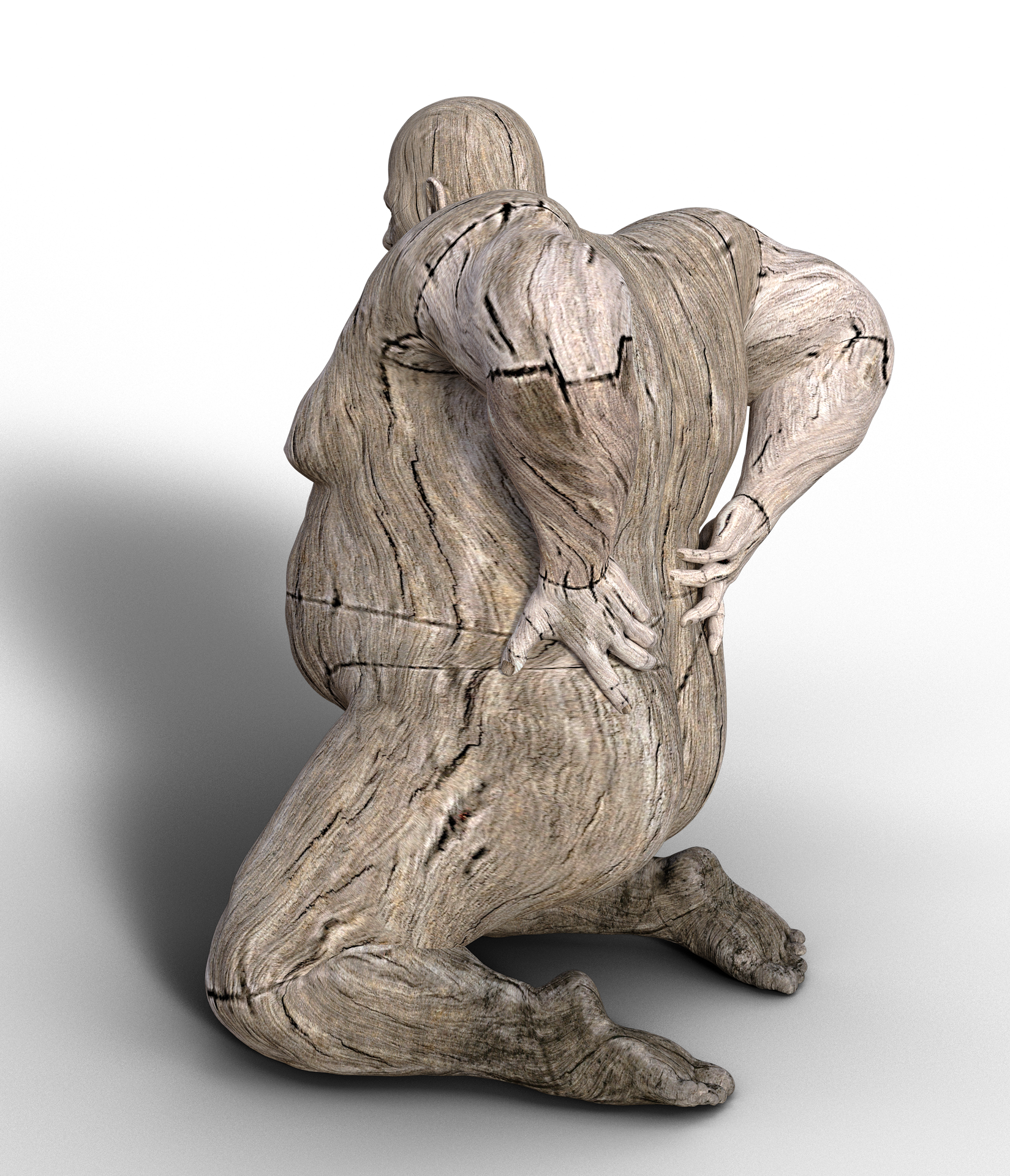
If you face into a body-sized mirror and notice your body appear slightly twisted and laterally deviated, it makes you think you have an abnormal, misaligned figure. It’s actually a condition known as scoliosis.
What is Scoliosis?

Photo Credit : www.drugs.com
Scoliosis is an abnormal hereditary condition in which a spine curves into either side. Normally, a human’s spine appears straight when viewed from the back. In Scoliosis, a spine may show bending into either left or right side in a C-shape or S-shape form.
Scoliosis is actually categorized into different types according to the location of a spinal curve. A spinal curve that appears on the upper back is called Cervical Spine Scoliosis. If it appears on the middle part, it’s known as Thoracic Spine Scoliosis. And if the curve is seen at the lower back, it’s called Lumbar Spine Scoliosis.
According to statistics, 2% of women are generally affected with scoliosis while 0.5% of men develop this condition.
Signs and Symptoms
To help you determine whether you have are on the onset of developing scoliosis, it’s good to lookout for the following signs and symptoms:
- Waistline on one side is not even on the other side
- Shoulders are not leveled and are not on the same height
- One hip is higher and noticeably prominent than the other side
- Head appears off the center over the body
- One side of the rib cage at the back obviously curves than the other side
- Chest pain
- Shortness of breath
- Back pain
Causes of Scoliosis
The cause as of why scoliosis appears to men and women is unknown. However, it might be because of two types of scoliosis that are commonly seen in boys and girls developing this condition: nonstructural scoliosis and structural scoliosis.
Nonstructural scoliosis is a type of scoliosis in which there is lateral curvature in the spine without signs of rotation of the vertebrae. It develops if a person experienced a muscle contraction or if his or her leg’s length is not similar to the other leg.
In a structural scoliosis, both lateral curvature and rotation of the vertebrae are obvious. This type is caused by injuries, tissue disorders, metabolic diseases, tumors, infections and rheumatic diseases.
Treatment
Treatment of scoliosis depends on the type and severity of the spine’s curvature. If you develop this condition, your treatment options would be the following:
- Physical Therapy
- Occupational Therapy
- Bracing
- Surgery

by Medical Health Article | Jun 1, 2013 | Conditions
The big C strikes fear upon the hearts of many. We all have a relative or someone we know who succumbed to this terrifying disease. Here we’ve outlined the top seven signs of cancer for both men and women that are commonly ignored.
7. Bloating
A lot of women ignore this sign of ovarian cancer, thinking that it’s just the hormones wreaking havoc again. Bloating is such a common thing for a woman that’s why it’s usually ignored. If bloating accompanies pain, blood in one’s stool, and other sudden and unexplained changes like weight loss and constant fatigue, go to your physician immediately.
6. Skin Changes
Moles that change in appearance for no apparent reason are one sign of skin cancer. If you have a family history of skin cancer, it’s best to have a regular screening of your moles to prevent this very deadly disease.
5. Erectile Dysfunction
A lot of men have erectile dysfunction. But not everyone “has the balls” to have this checked out by a doctor. This could potentially be a sign of cancer that’s why any symptoms of erectile dysfunction shouldn’t be ignored.
4. Weight Loss
Both men and women could attribute sudden weight loss to stress. This is a classic sign/symptom of cancer and if you or anyone you know is suddenly losing weight for no apparent reason, a visit to a doctor should be in order.
3. Nail Changes
Weird nail changes like brown spots or enlargement of the ends of one’s fingers could point to two cancers mainly skin and lung cancer. There’s a lot to be said about the health of one’s nails so it’s important to keep track of sudden changes. Women are advised to wear clear nail polish.
2. Swollen or Even Painless Lumps
Both men and women with swollen lumps (lymph nodes or whatnot) should have it checked immediately. It could point to leukemia, thyroid, or even breast cancer.
1. Excessive sleeping and fatigue
Excessive sleeping and fatigue could point to a lot of things. It could possibly be due to an uncomfortable mattress or it could point to snoring, hence the low sleep quality. But sometimes, excessive sleeping and fatigue that doesn’t go away despite one’s best efforts could point to different kinds of cancer. If you have problems staying awake throughout the day, are losing weight, and have other “weird” symptoms, it is best to go through a series of tests to rule out the possibility of cancer.

by Medical Health Article | May 20, 2013 | Conditions
What is it?
Congenital heart disease includes all sorts of abnormalities of the cardiovascular structure that develops before birth. It is such a common disease that an estimated 1 child with this problem is born every 15 minutes. It is one of the most common birth defects so even though some parents feel hopeless, at the end of the day, there will always be an equivalent treatment to help a child cope with congenital heart disease.
Causes
Scientists are in agreement that there is no clear-cut way of knowing what caused the problem. It could be due to anti-seizure medications that were taken while a woman was pregnant or it could simply be due to genetics. The usual culprit of drugs and alcohol intake while pregnant are usually to blame for congenital heart problems as well. A few diseases like rubella, diabetes, and lupus are also thought of as possible causes of heart disease even before birth.
Symptoms
Some people with a congenital heart defect will go on to live normal lives before even discovering that they have a problem. For adults, swelling, fatigue after minimal physical exertion, shortness of breath, and a bluish tint are all symptoms of an underlying problem. As for newborn babies, a heart murmur is usually thought of as a symptom of a heart defect.

by Medical Health Article | May 17, 2013 | Conditions
Asthma attacks are such a common occurrence that an estimated 1 in every 11 children has this disease. For those who were already diagnosed with asthma early on, they would know what to do in case of an attack. But for those who are yet to be diagnosed with adult onset asthma, an “attack” is such a frightening experience that could make even the calmest person panic.
It could be mistaken for a number of things including an anxiety attack. If you’re experiencing any or all of these things, there’s a high chance that you’re having an asthma attack:
- Coughing and wheezing
- Increased tiredness
- Breathing problems
- Sneezing
- Scratchy throat that needs to be cleared all the time
- Sleeping difficulties resulting in dark circles under the eyes
- Headaches, fever, restlessness
- Feelings of crankiness/mood swings
- Changes in skin color
What are Common Triggers?
The most common triggers include but are not limited to the following:
- Second hand smoke
- Animal dander
- Stress
- Dust/dust mites
- Food or medicine allergies
- Pollen
However, asthma is a complicated problem wherein the airways swell and fill with mucus, hence the breathing difficulties. Avoiding the abovementioned triggers is a great way of avoiding an attack but at the end of the day, if you suspect asthma or you have long been a sufferer, go to a physician and have regular checkups as asthma triggers and symptoms change overtime.
What to Do In Case of An Asthma Attack?
The first thing you have to do is to relax. This is easier said than done especially if it’s your first time experiencing an attack. If you have an inhaler with you, take 2 puffs and sit in an upright position. If you don’t have an inhaler or you see no improvement after taking additional puffs, go to a hospital immediately.

by Medical Health Article | May 9, 2013 | Conditions
What is Chronic Obstructive Pulmonary Disease?
This a term used to describe a combination of diseases .The diseases comprise of chronic lung diseases such as chronic emphysema and chronic bronchitis. The diseases are characterized by limiting the amount of air flowing into the lungs. Due to this the diseases are manifested in symptoms such as breathlessness, production of sputum and chronic coughs. These diseases are dangerous and can lead to death.
What are the causes of Chronic Obstructive Pulmonary Disease?
There are many causes among them are the following causes:-
Smoking tobacco
This is the major cause .Smoking leads to damaging of the lining of the airways by making the airways become inflamed. The inflammation in the airway lining leads to obstructing the air flowing to the lungs hence causing the complication.
Air pollution
In case the air is polluted by pollutants from industries or any other heavy particles the particles can enter the airways of individuals and lead to the chronic complication. Inhaling of chemical fumes is the biggest contributor under the category of pollutants .This is because the chemicals tend to react with the airway lining making it narrow in size.
Hereditary
In some individuals the condition can develop due to genetic factors such as lack of some protein in their body that initiate complications of the organs such as lung which end up developing the condition.
What are the treatments of (COPD)
Quitting smoking
This will expose the airways to less obstruction that is caused by the smoke from tobacco hence treating the condition. Quitting can be the best solution if the condition is in early stages and smoking happens to be the cause.
Using short -acting bronchodilator inhalers
These are inhalers with bronchodilator medicine that helps in dilating the bronchus hence relieving the condition .Examples of these inhalers include; beta-agonist inhalers such as salbutamol and antimuscarinic inhalers like ipratropium.
Using long-acting bronchodilator inhalers
They help in making the bronchus to dilate incase it was affected but last for up to 12 hours unlike the short acting bronchodilator inhalers .They include inhalers such as ;beta-agonist inhaler for example formoterol and antimuscarinic inhalers such as tiotropium.
Using steroid inhalers
Steroids help in reducing inflammation in severe cases .These inhalers are mostly used in combination with other inhalers such as long -acting beta-agonist inhaler .Steroids may not have direct impact on the symptoms but they help a lot in preventing flare-ups that are commonly experienced with individuals with this condition.
Using bronchodilator tablets. Tablets such as theophylline are used to relieve the condition after they enter the blood stream.
Using mucolytic medicine
Medicines such as carbocisteine ,erdosteine and mecysteine helps in making the sputum produced during this complication less thick hence helping in relieving the condition.They also prevent the effect of bacteria on the sputum which may end up increasing the infection. For mucolytic medicine to be effective individuals using it must take it on a regular basis .It can be taken two to three times per day for it to be more effective.

